Featured

Navigating Debt Forgiveness in 2026: Finding Legitimate Alleviation in a Crowded Market
Table of Contents
When credit rating card equilibriums spiral past control and monthly minimum settlements barely scrape the surface area of what you owe, the weight of economic anxiety can feel excruciating. With American customers now holding over $1.21 trillion in credit card debt jointly, finding legitimate debt alleviation has actually never been a lot more critical. Almost half of cardholders lug a balance from month to month, and the part falling back on minimum payments has actually climbed to 12.3% in current information.
For those looking for a path out of overwhelming financial debt, recognizing the distinction in between financial obligation mercy, bankruptcy counseling, and debt monitoring can mean the distinction in between economic recovery and deeper difficulty.
What Debt Forgiveness Actually Implies
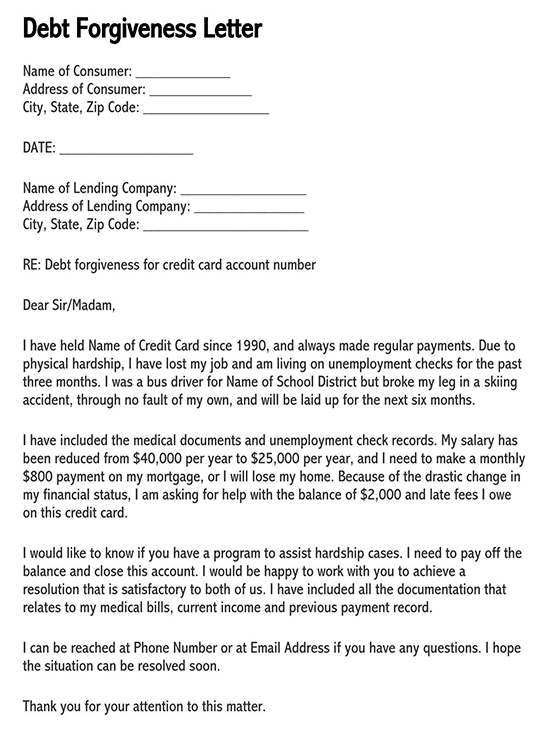
Debt mercy describes the procedure of working out with creditors to reduce the complete quantity owed, allowing customers to settle their financial debts for much less than the initial equilibrium. Unlike financial obligation combination, which integrates multiple debts right into a solitary settlement, or debt administration prepares that restructure payment schedules, debt forgiveness programs actively function to remove portions of your exceptional equilibriums.
When a debt card account goes unsettled for 120 days or more, financial institutions typically bill off the financial obligation and may accept lowered settlements to recuperate at the very least a portion of what they're owed. Settlements commonly range from 30% to 50% of the original equilibrium, though outcomes vary based on the financial institution, account age, and specific scenarios. The majority of debt mercy programs span two to 4 years, calling for customers to develop funds in dedicated accounts while mediators work with creditors.
It's worth keeping in mind that forgiven debt over $600 is typically taken into consideration taxed earnings by the internal revenue service. Any person taking into consideration financial debt negotiation should speak with a tax professional to comprehend the effects prior to continuing.
The Critical Distinction In Between Nonprofit and For-Profit Providers
The Consumer Financial Defense Bureau alerts that handling for-profit debt settlement business can be risky. These firms usually bill costs ranging from 15% to 25% of signed up financial obligation and commonly encourage customers to stop paying completely while negotiations proceed. This method can lead to placing late fees, fine rate of interest costs, harmed credit history, and even suits from creditors.
Not-for-profit credit history therapy firms run under various standards. Organizations approved by the U.S. Division of Justice as 501(c)(3) nonprofits concentrate on client well-being rather than earnings margins. Their credit therapy sessions are usually provided at no cost, and financial obligation management program fees are topped at $79 monthly across the country under federal regulations.
The National Foundation for Credit Rating Counseling (NFCC), established in 1951, stands for the gold criterion for not-for-profit economic counseling. NFCC participant companies must fulfill rigorous moral standards, with therapists required to recertify every 2 years. Study performed by Ohio State College found that NFCC credit history therapy clients decreased their rotating financial debt by $3,600 greater than comparison groups over 18 months adhering to counseling, with 70% reporting improved economic self-confidence.
Bankruptcy Counseling: Comprehending Your Lawful Demands
For people whose economic situations have degraded beyond what financial obligation forgiveness or monitoring programs can deal with, personal bankruptcy might come to be needed. Federal law calls for any individual filing for Chapter 7 or Phase 13 personal bankruptcy to finish both pre-filing credit therapy and post-filing debtor education and learning training courses with an accepted company.
Pre-bankruptcy counseling includes a detailed evaluation of revenue, financial debts, and costs, along with exploration of alternatives to bankruptcy. The session helps filers recognize whether insolvency absolutely represents their finest option or whether various other debt alleviation approaches may work. Post-filing debtor education and learning focuses on budgeting, conserving, and rebuilding credit scores after personal bankruptcy discharge.
Both sessions typically take 60 to 90 minutes. Fees vary by company but normally range from $20 to $50 per course, with cost waivers readily available for those who qualify based upon revenue. Upon completion, filers receive certificates needed for their insolvency requests.
Not-for-profit firms like APFSC offer these called for insolvency counseling courses along with their various other debt alleviation services, providing a streamlined experience for those browsing the personal bankruptcy process.
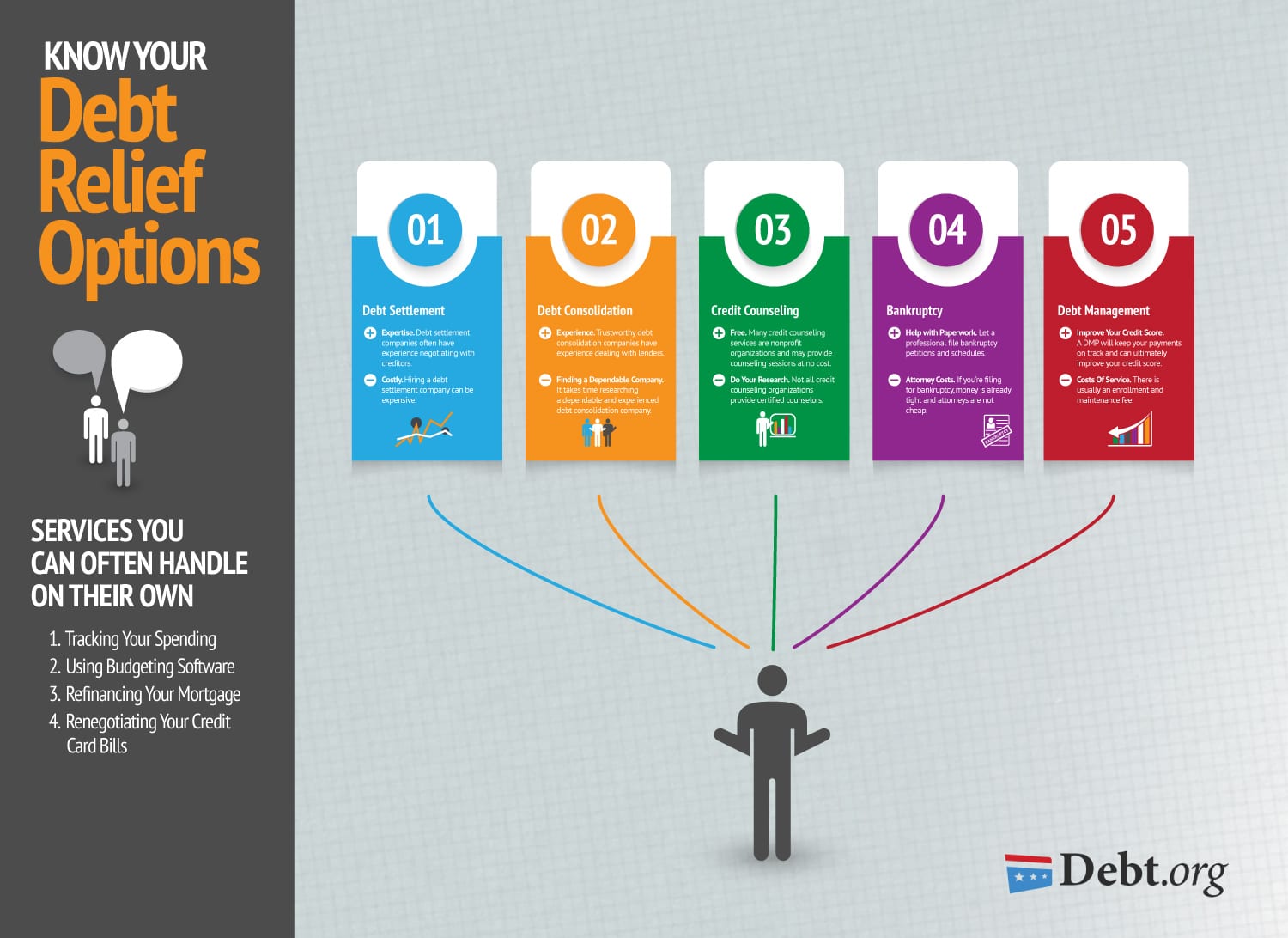
Comparing Your Debt Relief Options
Recognizing which come close to fits your circumstance calls for sincere evaluation of your monetary circumstances.
Financial obligation monitoring prepares job best for those that can still make regular payments however need aid reducing passion rates and organizing multiple financial debts into solitary regular monthly settlements. These programs generally cover three to 5 years and pay debts completely, just with far better terms. Credit history typically boost gradually as balances decrease.
Financial obligation negotiation or forgiveness programs suit those with larger financial debt loads, usually $7,500 or more, who have currently fallen back on repayments and can not realistically pay balances completely. These programs work out lowered rewards however lug credit rating consequences and tax implications.
Insolvency offers the most remarkable alleviation yet additionally the most significant long-lasting credit scores impact. Chapter 7 sells off properties to release debts, while Phase 13 produces structured settlement plans over 3 to five years. Personal bankruptcy stays on credit rating reports for 7 to 10 years.
Debt therapy alone, without registration in a specific program, aids those that require budgeting assistance and economic education to avoid future financial debt issues. These sessions are usually cost-free via nonprofit agencies.
Warning Indications of Debt Alleviation Scams

Consumers need to be particularly cautious of firms claiming to provide government-sponsored charge card financial debt mercy programs. No such government programs exist for charge card financial obligation, unlike the mercy alternatives available for federal pupil fundings. Any type of promotions recommending otherwise are likely scams.
Other red flags consist of companies that demand big in advance charges prior to giving solutions, warranty particular settlement percents, tell you to stop interacting with creditors entirely, or refuse to clarify their fee framework clearly. Legit nonprofit companies offer transparent info concerning expenses, timelines, and realistic end results.
The CFPB recommends taking into consideration all choices before involving any kind of financial obligation relief solution, including bargaining straight with lenders yourself and seeking advice from nonprofit credit rating therapists who can give impartial analyses of your circumstance.
Making an Educated Choice
Choosing the appropriate financial obligation alleviation path relies on private situations, overall financial debt amount, revenue stability, and ability to make constant payments. Free initial examinations from not-for-profit credit scores therapy firms assist potential clients understand their choices without high-pressure sales methods.
During these sessions, accredited counselors analyze economic situations, describe readily available programs, and develop tailored suggestions. Whether somebody inevitably selects financial obligation forgiveness, debt management, bankruptcy, or self-directed payment, starting with not-for-profit guidance guarantees they obtain recommendations concentrated on their financial wellness.
Market leaders like Finance International, GreenPath Financial Health, InCharge Financial Debt Solutions, and APFSC all supply comprehensive services extending credit rating counseling, financial obligation management, and bankruptcy education. A lot of supply several call techniques including phone, on the internet chat, and e-mail, making it very easy to start the conversation.
Taking the Very First Step
Financial recovery rarely happens over night. Financial debt management plans commonly span 3 to five years, and financial debt settlement programs commonly require 24 to 48 months of structured cost savings and settlements. However, the option of remaining to fight with unrestrainable financial debt while interest substances offers no path onward.
For any individual drowning in credit report card financial obligation, medical bills, or individual finances, getting to out to a nonprofit credit rating therapy company stands for a crucial first step. The assessment costs nothing, carries no commitment, and gives quality regarding realistic alternatives. From there, informed choices end up being feasible.
Financial planning for veterans in Florida living on pension or disability incomeThe trip from overwhelming financial obligation to financial stability needs dedication, perseverance, and expert advice. With assistance from trusted nonprofit agencies and a clear understanding of offered programs, that journey ends up being achievable.

Latest Posts
Your Rights for Beginners
Essential Things to Ask Any Debt Relief Organization for Beginners

Things about Support Provided for Your Debt Relief Journey